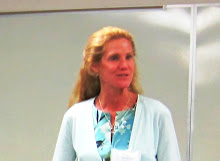
It was a lovely day, bright and sunny in Springfield, Massachusetts when a very bored Jim Cline interviewed me for the obligatory 3o sec. spot for anti-casino position in the 2:37 minute report about Mohegan Sun laying of 5% of workforce.
Plenty of nutter for this fluff!
Showing posts with label United to Stop Slots in Massachusetts. Show all posts
Showing posts with label United to Stop Slots in Massachusetts. Show all posts
Thursday, September 16, 2010


Saturday, June 5, 2010
League discusses slots/casinos with USS Mass
Please share this video with your network. It is a brief, casual conversation between Amherst League of Women Voters host, Alice Swift and me on the issue of expanding predatory gambling.
The only thing that is inevitable about slots/casinos is corruption.
The only thing that is inevitable about slots/casinos is corruption.
Tuesday, May 25, 2010
INEVITABLE
Question:
What is Inevitable if casinos and slots are legalized in Massachusetts?
Answer:
More Corruption, Crime and Costs for the taxpayers.
What is Inevitable if casinos and slots are legalized in Massachusetts?
Answer:
More Corruption, Crime and Costs for the taxpayers.
Friday, May 21, 2010
Time Warp
More jobs across the spectrum were created in one month in Massachusetts - last month, than any casino will bring - without the costs, impacts and human pain of gambling addiction. It seems at times to this observer that many politicians are twenty years or more behind current research and lack vision for the future.....with some exceptions for whom I am grateful, as they give me hope.
Legalizing casinos in the Commonwealth is a bone-headed, backward, brain-dead, bad idea.
That's right, I said it.
Legalizing casinos in the Commonwealth is a bone-headed, backward, brain-dead, bad idea.
That's right, I said it.
Monday, May 17, 2010
It was never "inevitable"
It was never “inevitable” May 17, 2010
United to Stop Slots in Massachusetts (USS Mass) opposes the legalization of expanded predatory gambling, slots/casinos in the Commonwealth. A strong contingency in the southeastern region has been pushing back against the false statements that a Middleboro casino was, “inevitable” for over three years. They were certainly right as the Wampanoag’s have announced that they have gone gambling-site shopping with their foreign investors, to the non-tribal lands of Fall River. The Middleboro fiasco was never a “done deal”, it may have been a colossal “dumb deal” as it was crafted by myopic local officials, muscled by labor, pledged by felon representatives of the tribe and thrust down the throats of voters in the midst of the summer heat, but it was never, “inevitable”.
The federal Indian Gaming Regulatory Act (IGRA) enables federally recognized tribes to develop and operate tax-free gambling facilities to the level of what is legal in the state where their tribal lands exist. Currently, there are no lands that have been placed into trust for a tribe in Massachusetts and slots/casinos are not legal. The one and only way to insure that tax-free foreign backed corporations do not profit from the Massachusetts taxpayers is to not legalize slots/casinos.
The abuse of IGRA, which was created as economic opportunity for Native American tribes, abounds with billionaire foreign and domestic investors using the tribes as the “front men” for them to expand their power and wealth. How do they amass wealth? They capture wealth through the systematic expansion and addiction of gamblers, particularly from the proliferation of manipulative electronically programmed slot machines.
People are angry that politicians allowed and facilitated the out-sourcing of jobs from the Commonwealth and the US to other countries, over the past three decades. People are angry that we have an astronomical national debt that is owed to other countries. People are angry at bailing out billionaires and corporations. Now, it appears that some politicians in Massachusetts want to allow foreign investors to set-up facilities that drain local economies, negatively impact families and create extensive cost burdens upon municipalities and taxpayers. These same politicians have failed their basic fiduciary responsibilities by not performing a comprehensive cost analysis of the legislation that has been put forth.
Senate President Therese Murray (D-Plymouth) and Governor Patrick have the power and responsibility to kill the Speaker’s Special Interest Gambling bill and not legalize slots/casinos. There is nothing to stop the tribal entities interested in Middleboro, Fall River, Palmer and other sites from changing their minds-yet again, and petitioning Congress for the right to establish sovereign tax-free facilities that are exempt from environmental impact studies, regulations and the laws of the Commonwealth. Legalizing one slot machine is legalizing one too many.
United to Stop Slots in Massachusetts (USS Mass) opposes the legalization of expanded predatory gambling, slots/casinos in the Commonwealth. A strong contingency in the southeastern region has been pushing back against the false statements that a Middleboro casino was, “inevitable” for over three years. They were certainly right as the Wampanoag’s have announced that they have gone gambling-site shopping with their foreign investors, to the non-tribal lands of Fall River. The Middleboro fiasco was never a “done deal”, it may have been a colossal “dumb deal” as it was crafted by myopic local officials, muscled by labor, pledged by felon representatives of the tribe and thrust down the throats of voters in the midst of the summer heat, but it was never, “inevitable”.
The federal Indian Gaming Regulatory Act (IGRA) enables federally recognized tribes to develop and operate tax-free gambling facilities to the level of what is legal in the state where their tribal lands exist. Currently, there are no lands that have been placed into trust for a tribe in Massachusetts and slots/casinos are not legal. The one and only way to insure that tax-free foreign backed corporations do not profit from the Massachusetts taxpayers is to not legalize slots/casinos.
The abuse of IGRA, which was created as economic opportunity for Native American tribes, abounds with billionaire foreign and domestic investors using the tribes as the “front men” for them to expand their power and wealth. How do they amass wealth? They capture wealth through the systematic expansion and addiction of gamblers, particularly from the proliferation of manipulative electronically programmed slot machines.
People are angry that politicians allowed and facilitated the out-sourcing of jobs from the Commonwealth and the US to other countries, over the past three decades. People are angry that we have an astronomical national debt that is owed to other countries. People are angry at bailing out billionaires and corporations. Now, it appears that some politicians in Massachusetts want to allow foreign investors to set-up facilities that drain local economies, negatively impact families and create extensive cost burdens upon municipalities and taxpayers. These same politicians have failed their basic fiduciary responsibilities by not performing a comprehensive cost analysis of the legislation that has been put forth.
Senate President Therese Murray (D-Plymouth) and Governor Patrick have the power and responsibility to kill the Speaker’s Special Interest Gambling bill and not legalize slots/casinos. There is nothing to stop the tribal entities interested in Middleboro, Fall River, Palmer and other sites from changing their minds-yet again, and petitioning Congress for the right to establish sovereign tax-free facilities that are exempt from environmental impact studies, regulations and the laws of the Commonwealth. Legalizing one slot machine is legalizing one too many.
Sunday, May 16, 2010
Andy Rooney Gets Its
Andy Rooney gets what the Speaker's Special Interest Gambling Bill and the Senate's forthcoming Sucker's Bill is all about.
Monday, January 25, 2010
No back-room deals for slots and predatory gambling!
January 26, 2010
Dear Honorable Legislator:
Attorney General Martha Coakley has joined Governor Patrick, the Mass Chiefs of Police Association, United to Stop Slots in Massachusetts (USS Mass), League of Women Voters, Mass Council of Churches and numerous statewide organizations and individuals calling for an independent cost-benefit, data-driven analysis of expanded gambling before legalizing slots or any additional form of predatory gambling. AG Coakley stated at legislative hearings, “Before the legislative debate on gaming even begins, the Commonwealth must have the law enforcement tools necessary to combat potential illegal influences both during the legislative debate and after proposed legislation becomes law in the Commonwealth.” When asked how much that would cost, she replied, “expensive”.
Recent focus on the concentration of political power, ethical and legal problems associated with legislators in the Commonwealth and the long history of corruption associated with the gambling industry requires elected officials to step-back and re-evaluate the proposals to legalize predatory gambling, slots/casinos.
The people voiced their ire with “business as usual” in Massachusetts politics in the recent US Senate election. Voters repeatedly state that politicians are not listening to their concerns including the negative fiscal impacts slots/casinos have upon entire regions, small businesses and local economies. The Globe released a poll (January 2010) that showed the majority of respondents (38%) oppose any form of expanded gambling, (30%) support casinos and (3%) support racinos/slot parlors.
The Western MA Casino Task Force is joined by municipal officials across the state with the following recommendations:
USS Mass represents the people of the Commonwealth, not lobbyists or corporations. The people are sending you a message, no back-room deals for slots and predatory gambling.
Sincerely,
Kathleen Conley Norbut, M.Ed., LMHC
United to Stop Slots in Massachusetts
USS Mass
PO Box 376
Palmer, MA 01069
www.uss-mass.org
Dear Honorable Legislator:
Attorney General Martha Coakley has joined Governor Patrick, the Mass Chiefs of Police Association, United to Stop Slots in Massachusetts (USS Mass), League of Women Voters, Mass Council of Churches and numerous statewide organizations and individuals calling for an independent cost-benefit, data-driven analysis of expanded gambling before legalizing slots or any additional form of predatory gambling. AG Coakley stated at legislative hearings, “Before the legislative debate on gaming even begins, the Commonwealth must have the law enforcement tools necessary to combat potential illegal influences both during the legislative debate and after proposed legislation becomes law in the Commonwealth.” When asked how much that would cost, she replied, “expensive”.
Recent focus on the concentration of political power, ethical and legal problems associated with legislators in the Commonwealth and the long history of corruption associated with the gambling industry requires elected officials to step-back and re-evaluate the proposals to legalize predatory gambling, slots/casinos.
The people voiced their ire with “business as usual” in Massachusetts politics in the recent US Senate election. Voters repeatedly state that politicians are not listening to their concerns including the negative fiscal impacts slots/casinos have upon entire regions, small businesses and local economies. The Globe released a poll (January 2010) that showed the majority of respondents (38%) oppose any form of expanded gambling, (30%) support casinos and (3%) support racinos/slot parlors.
The Western MA Casino Task Force is joined by municipal officials across the state with the following recommendations:
Comprehensive cost-benefit analysis of slot parlors and mega-casinos.
The legislature will perform a comprehensive cost-benefit analysis and develop data-driven budgets by region that account for fiscal revenues and both operating and capital investment expenses. Benefits/revenues will result from income and property taxes, license fees, job creation, reduction of welfare rolls, and ancillary economic development for regional businesses. Costs/expenses will result from capital investment projects, infrastructure expansion and maintenance thereof; mitigation compensation to affected regional communities for issues defined in the paragraphs below; and state and regional oversight and administration expenses.
The cost-benefit analysis will address but not be limited to costs such as the expansion of the Attorney General’s office for regulation, enforcement, investigation, prosecution, auditing; Gaming Commission personnel, equipment, operating budget, software and all consultants; gambling addiction services; state and local police and overtime; domestic violence advocates at district courts serving the regions impacted by proposed expanded gambling; expanded prison and corrections services; financial counseling; subsidized health care costs for transient workers and workers not covered by proposed expanded gambling health insurance.
USS Mass represents the people of the Commonwealth, not lobbyists or corporations. The people are sending you a message, no back-room deals for slots and predatory gambling.
Sincerely,
Kathleen Conley Norbut, M.Ed., LMHC
United to Stop Slots in Massachusetts
USS Mass
PO Box 376
Palmer, MA 01069
www.uss-mass.org
Monday, January 11, 2010
Gambling Support Declines
(Boston) – United to Stop Slots in Massachusetts (USS Mass) a non-partisan statewide coalition has provided education to legislators, citizens, organization and the Administration on the net costs of legalizing expanded gambling. The long term economic drain and saturation of the market has citizens re-thinking expanding gambling, especially as the costs to taxpayers emerge in other states.
“Statewide leaders including Governor Patrick and the Mass Chiefs of Police Association are joining the USS Mass coalition in the call for an independent comprehensive cost-benefit analysis before legalizing predatory gambling, slots and casinos,” stated USS Mass president, Kathleen Conley Norbut. “It is time for citizens in the Commonwealth to be told the whole story of the costs and impacts of slot parlors, racinos and slot casinos.”
Today’s Globe released a recent poll with evidence of the waning support for expanding gambling in the Commonwealth.
As for expanded gambling, which Patrick and lawmakers are currently negotiating, 33 percent said they support creating resort casinos, while only 3 percent supported adding slot parlors at the state’s race trace track; 16 percent said they had no preference, and 38 percent said they don’t want expanded gambling in the state.
For more information on the comprehensive costs and impacts of slot parlors, racinos and slot casino, please do not hesitate to contact USS Mass.
Friday, December 4, 2009
The Case For The Commonwealth Against Slots and Casinos
Media Advisory
Saturday, December 5, 2009
Kathleen Conley Norbut, M.Ed., LMHC
President
USS Mass - United to Stop Slots in Massachusetts
The Case for the Commonwealth Against Slots & Casinos
Thursday December 10, 2009, 7pm-8:30PM
Faneuil Hall, Boston, Massachusetts
WHAT: “The Case for the Commonwealth Against Slots & Casinos” is a forum at Faneuil Hall in Boston, with noted civic and political leaders, to discuss the proposals to legalize state-sponsored predatory gambling, slot machines and casinos in Massachusetts.
WHO: Sponsored by the USS Mass Coalition, the panel will include:
- Governor and Mrs. Michael Dukakis
- Former Attorney General Scott Harshbarger
- Kathleen Conley Norbut, President of USS Mass
- Jim Rubens, Granite State Coalition Against Expanded Gambling
- Honorable State Senator Susan Tucker
Alan Khazei, co-founder of City Year, as the Master of Ceremonies.
The Rev. Dr. Peter D. Weaver, Bishop of the United Methodist Church- New England Conference, will offer the Invocation.
WHEN: Thursday, December 10, 2009, 7:00- 8:30pm
WHERE: Faneuil Hall, 1 Faneuil Hall Square, Boston, MA.
Blue line to Aquarium/Faneuil Hall, Green Line to Government Center, or Orange line to State Street.
CONTACT: Kathleen Conley Norbut, ussmass@gmail.com to arrange interviews
with panelists, or details on visuals, taping and recording the event.
USS Mass – United to Stop Slots in Massachusetts is the up-growth of concerned citizens, taxpayers, activists and statewide organizations across the political spectrum opposed to predatory gambling in the Commonwealth. We are a non-profit, non-partisan organization that has been working diligently to organize and educate citizens and Legislators on the facts about the economic and social costs of legalizing predatory gambling in the Commonwealth. No state that has legalized predatory slot machines has solved their fiscal problems.
Tuesday, November 24, 2009
Truth to Bobby
Dear Ms. Marfione,
Would you kindly share the below email message with Mr. Haynes? Best wishes for a blessed Thanksgiving.
“What does labor want?
We want more school houses and less jails.
More books and less guns.
More learning and less vice.
More leisure and less greed.
More justice and less revenge.
We want more ... opportunities to cultivate our better natures.”
Samuel Gompers Memorial
San Antonio, Texas
Samuel Gompers (January 27, 1850 – December 13, 1924) was an American labor union leader and a key figure in American labor history. Gompers founded the American Federation of Labor (AFL), and served as the AFL's president from 1886-1894 and from 1895 until his death in 1924. He promoted harmony among the different craft unions that were comprised by the AFL, trying to minimize jurisdictional battles. He promoted "thorough" organization and collective bargaining to secure shorter hours and higher wages, the first essential steps, he believed, to emancipating labor. He also encouraged the AFL to take political action to "elect their friends" and "defeat their enemies." During World War I, Gompers and the AFL worked with the government to avoid strikes and boost morale, without undermining union wage and hour standards. During that period, the AFL saw membership rise.
Dear Mr. Haynes,
I hope this will give you pause to reflect over the Thanksgiving holidays about the founding principles of the Commonwealth and the Labor movement that are in direct opposition to predatory gambling. Oppression of one group of people for the alleged benefit of others is wrong. Working and middle class families should not be strapped with the additional burden of subsidizing the known negative impacts of slots/casinos. The long-term economic drain and human sacrifices do not justify the temporary construction phase.
Respectfully,
Kathleen Conley Norbut
Monson
Would you kindly share the below email message with Mr. Haynes? Best wishes for a blessed Thanksgiving.
“What does labor want?
We want more school houses and less jails.
More books and less guns.
More learning and less vice.
More leisure and less greed.
More justice and less revenge.
We want more ... opportunities to cultivate our better natures.”
Samuel Gompers Memorial
San Antonio, Texas
Samuel Gompers (January 27, 1850 – December 13, 1924) was an American labor union leader and a key figure in American labor history. Gompers founded the American Federation of Labor (AFL), and served as the AFL's president from 1886-1894 and from 1895 until his death in 1924. He promoted harmony among the different craft unions that were comprised by the AFL, trying to minimize jurisdictional battles. He promoted "thorough" organization and collective bargaining to secure shorter hours and higher wages, the first essential steps, he believed, to emancipating labor. He also encouraged the AFL to take political action to "elect their friends" and "defeat their enemies." During World War I, Gompers and the AFL worked with the government to avoid strikes and boost morale, without undermining union wage and hour standards. During that period, the AFL saw membership rise.
Dear Mr. Haynes,
I hope this will give you pause to reflect over the Thanksgiving holidays about the founding principles of the Commonwealth and the Labor movement that are in direct opposition to predatory gambling. Oppression of one group of people for the alleged benefit of others is wrong. Working and middle class families should not be strapped with the additional burden of subsidizing the known negative impacts of slots/casinos. The long-term economic drain and human sacrifices do not justify the temporary construction phase.
Respectfully,
Kathleen Conley Norbut
Monson
Wednesday, November 18, 2009
Eagles and Ducks
November 18, 2009
US Senate Candidates Khazei and Capuano endorse independent cost-benefit analysis before legalizing slots/casinos.(Boston) – United to Stop Slots in Massachusetts (USS Mass) a non-partisan statewide coalition announced today that it has received responses from two of the US Senate candidates to the questionnaire that was sent to candidates in October. “US Senate candidate Alan Khazei promptly returned the questionnaire and Congressman Michael Capuano filed his responses with our organization on Tuesday, November 17, 2009,” reported Kathleen Conley Norbut, President, United to Stop Slots in Massachusetts.
Despite an extension and reminders from USS Mass, four of the candidates (COAKLEY THE AG responsible for public and consumer safety! Pagliuca - it seems like the campaign may be a just a hobby. Brown - who fails the fiscal conservative test on this one by supporting slot parlors/racinos and expansion of government with the development of a new bureaucracy the Gaming Regulatory Control - hackocracy and taxpayer subsidizes costs of impacts and Jack E. Robinson) failed to respond to the questionnaire, which leaves taxpayers wondering if they understand the magnitude of the impacts of the proliferation of predatory gambling upon local economies, state and national policy. Each candidate was asked four questions regarding expanding predatory gambling including two questions about their position on the far-reaching implications of the Supreme Court decision in February 2009 relevant to native American tribes bringing lands into trust; the National Gambling Impact Study Commission Report recommendations which included a moratorium on slot/casino gambling in the United States and their position regarding a proposed independent cost-benefit analysis before legalizing any expanded predatory gambling, slots/casinos in the Commonwealth.
The candidate’s responses reveal that Mr. Khazei expressed his strong support for an independent cost-benefit analysis before legalizing any expansion of predatory gambling, slots/casinos with a detailed description of the depth of his knowledge and concerns about the costs associated with the slots/casino industry, “While we must commit ourselves to creating jobs and while monetary costs and benefits must be measured, we must not lose sight of what we treasure most in life. We must ask ourselves if casino gambling is worth it even at the expense of those among us who are most vulnerable.”
Congressman Capuano supports the proposed independent cost-benefit analysis before legalizing slots/casinos for the purpose of quantifying job creation. He expressed hesitation that there would be significant job creation with slot facilities. Congressman Capuano expressed sensitivity for Native Americans and a desire to see more non-casino job creation on reservations, “It is important to be sensitive to issues of identity and self-definition, with regard to Native Americans and, indeed, to all persons. That said, the larger community is affected by decisions governing recourse to the Indian Reorganization Act.”
“We are pleased that two candidates chose not to duck these controversial issues by taking the time to address these matters that impact economic, public health, consumer protection, safety and future decisions for the Commonwealth and the nation,” stated Ms. Norbut. The full text of the candidates responses are posted on the USS Mass website.
######
Tuesday, November 17, 2009
The League of Women Voters Joins USS Mass
| ||||||||||
|

Shout out to Charlie Pierce
Ya just can't make up this stuff! Let me preface this must read article with a shout out to the members of the USS Mass coalition who have been tracking the misinformation pattern and the misuse of public funds/institutions for the benefit of the slots/casino industry.
A dubious hand
A casino expert has too many cards in play.
By Charles P. Pierce
November 15, 2009
Dear Professor Clyde Barrow: First of all, you’ve got guts. It takes a rare
kind of fortitude to throw yourself behind the proposition of casino
gambling here in Massachusetts while having the same name as the bandit --
the two-armed bandit, that is -- played by Warren Beatty in that movie where
Faye Dunaway was young Bonnie Parker. (Given how deftly the Patrick
administration thus far has handled this issue, I’m surprised we haven’t
seen an earnest disquisition on the morality of gambling from Father Jesse
James, SJ.) Now, I don’t wish to cast aspersions about your academic work at
UMass-Dartmouth on behalf of the Fleece the Suckers Act of Whenever. Others
have done that, of course, most notably the people who noticed you were also
in the employ of a gaming proponent who wants to build a casino in New
Hampshire. However, this does present something of a conundrum. You have
long maintained we need casinos here to keep our local sheep in the pen,
rather than sending them off to get shorn in Connecticut. So now the Patrick
administration has embraced your study as a means to help it build casinos,
while you’re helping other folks build one north of the border. It seems
logical, therefore, to conclude that you could find an economic reason to
build a casino almost anywhere, up to and including the bottom of Cape Cod
Bay. Perhaps that could be the plot of the upcoming thriller: Oceans 1, or
Deval and Clyde.
A dubious hand
A casino expert has too many cards in play.
By Charles P. Pierce
November 15, 2009
Dear Professor Clyde Barrow: First of all, you’ve got guts. It takes a rare
kind of fortitude to throw yourself behind the proposition of casino
gambling here in Massachusetts while having the same name as the bandit --
the two-armed bandit, that is -- played by Warren Beatty in that movie where
Faye Dunaway was young Bonnie Parker. (Given how deftly the Patrick
administration thus far has handled this issue, I’m surprised we haven’t
seen an earnest disquisition on the morality of gambling from Father Jesse
James, SJ.) Now, I don’t wish to cast aspersions about your academic work at
UMass-Dartmouth on behalf of the Fleece the Suckers Act of Whenever. Others
have done that, of course, most notably the people who noticed you were also
in the employ of a gaming proponent who wants to build a casino in New
Hampshire. However, this does present something of a conundrum. You have
long maintained we need casinos here to keep our local sheep in the pen,
rather than sending them off to get shorn in Connecticut. So now the Patrick
administration has embraced your study as a means to help it build casinos,
while you’re helping other folks build one north of the border. It seems
logical, therefore, to conclude that you could find an economic reason to
build a casino almost anywhere, up to and including the bottom of Cape Cod
Bay. Perhaps that could be the plot of the upcoming thriller: Oceans 1, or
Deval and Clyde.
Wednesday, November 11, 2009
Nothing is Transparent
FOR IMMEDIATE RELEASE
Contact: Kathleen Conley Norbut, M.Ed., LMHC
United to Stop Slots in Massachusetts, President
USS Mass
PO Box 376
Palmer, MA 01069
ussmass@gmail.com
Pro-predatory Gambling Legislators Conduct Business Behind Closed Doors
(Boston) – United to Stop Slots in Massachusetts (USS Mass) a non-partisan statewide coalition criticizes pro-predatory gambling legislators as they conduct business behind closed doors with a recent forum on slots/casinos at the statehouse. “The work of “the people” seems to exclude “the people” of the Commonwealth when it comes to slots/casinos as evidenced when pro-predatory gambling legislators met on Monday in a closed forum on Beacon Hill,” stated Kathleen Conley Norbut, President of USS Mass. Organizers defended their actions to hide public officials from the public so they would, “feel comfortable to ask any questions without having any type of criticism.” Legislators give speeches about transparency yet they have crafted a double standard for their conveniences and are not bound by the same rules as local officials by Open Meeting Laws.
Elected officials should not be shielded from taxpayer’s questions and criticisms when it comes to discussing legalizing gambling activities that derive the vast majority of revenue from addicted individuals; are historically wrought with graft, political corruption and criminal activities. As offensive as these actions are to the citizens of the Commonwealth, closed door discussions and one-sided presentations have been common practice in the debate about legalizing expanded predatory gambling. Opponents of predatory gambling and local officials concerned about negative impacts to their communities were not included in the senate informational hearing in June. Concerned citizens were ignored by Administration officials two years ago when requests were made to meet to discuss the flawed legislation submitted by the Governor. The July 4th middle of the night legalization of predatory gambling by politicians in Pennsylvania was not a beacon of democracy.
Lobbyists are on-track to spend over $1 million dollars this year to influence the legislature to expand predatory gambling with slots/casinos in the Commonwealth. Meanwhile the Mass. Council on Compulsive Gambling budget was recently slashed, drastically reducing the safety net needed to treat the human tragedies created by compulsive gambling. The Beacon Hill formula has not changed; quick fixes, closed doors meetings, lobbyists fronting for deep-pocketed out-of-state and foreign investors, misinformation about revenues and job creation.
Labor unions have threatened to withhold support to long-time Democratic legislators and traditional allies to pressure them to support their short-term interests for construction jobs. A handful of legislators have pressured labor unions to support their minute special interest group, track owners. These antics occur despite the reality that there is no upside for substantive construction jobs and many of the track jobs are not unionized. Legislative leadership has expanded their thinking to support expanding predatory gambling stating that jobs are needed, but they willfully ignore the long-term economic drain of slots/casinos including the documented subsidies by taxpayers in states with legalized slots/casinos for social, public safety and infrastructure costs created by the industry. Pro-predatory gambling legislators serve on Advisory Committees to UMass public policy centers while also setting the budgets for these facilities and the people who perform the limited research on slots/casinos.
Governor Patrick initiated the race to the bottom with his declaration of support for casinos. United to Stop Slots in Massachusetts therefore calls upon the Governor and the Legislature to perform independent cost-benefit analysis before any steps are taken to legalize an industry that creates greater long-term negative fiscal costs than it renders in benefits.
######
Contact: Kathleen Conley Norbut, M.Ed., LMHC
United to Stop Slots in Massachusetts, President
USS Mass
PO Box 376
Palmer, MA 01069
ussmass@gmail.com
Pro-predatory Gambling Legislators Conduct Business Behind Closed Doors
(Boston) – United to Stop Slots in Massachusetts (USS Mass) a non-partisan statewide coalition criticizes pro-predatory gambling legislators as they conduct business behind closed doors with a recent forum on slots/casinos at the statehouse. “The work of “the people” seems to exclude “the people” of the Commonwealth when it comes to slots/casinos as evidenced when pro-predatory gambling legislators met on Monday in a closed forum on Beacon Hill,” stated Kathleen Conley Norbut, President of USS Mass. Organizers defended their actions to hide public officials from the public so they would, “feel comfortable to ask any questions without having any type of criticism.” Legislators give speeches about transparency yet they have crafted a double standard for their conveniences and are not bound by the same rules as local officials by Open Meeting Laws.
Elected officials should not be shielded from taxpayer’s questions and criticisms when it comes to discussing legalizing gambling activities that derive the vast majority of revenue from addicted individuals; are historically wrought with graft, political corruption and criminal activities. As offensive as these actions are to the citizens of the Commonwealth, closed door discussions and one-sided presentations have been common practice in the debate about legalizing expanded predatory gambling. Opponents of predatory gambling and local officials concerned about negative impacts to their communities were not included in the senate informational hearing in June. Concerned citizens were ignored by Administration officials two years ago when requests were made to meet to discuss the flawed legislation submitted by the Governor. The July 4th middle of the night legalization of predatory gambling by politicians in Pennsylvania was not a beacon of democracy.
Lobbyists are on-track to spend over $1 million dollars this year to influence the legislature to expand predatory gambling with slots/casinos in the Commonwealth. Meanwhile the Mass. Council on Compulsive Gambling budget was recently slashed, drastically reducing the safety net needed to treat the human tragedies created by compulsive gambling. The Beacon Hill formula has not changed; quick fixes, closed doors meetings, lobbyists fronting for deep-pocketed out-of-state and foreign investors, misinformation about revenues and job creation.
The only thing clear about what is happening on Beacon Hill is that nothing is transparent
Labor unions have threatened to withhold support to long-time Democratic legislators and traditional allies to pressure them to support their short-term interests for construction jobs. A handful of legislators have pressured labor unions to support their minute special interest group, track owners. These antics occur despite the reality that there is no upside for substantive construction jobs and many of the track jobs are not unionized. Legislative leadership has expanded their thinking to support expanding predatory gambling stating that jobs are needed, but they willfully ignore the long-term economic drain of slots/casinos including the documented subsidies by taxpayers in states with legalized slots/casinos for social, public safety and infrastructure costs created by the industry. Pro-predatory gambling legislators serve on Advisory Committees to UMass public policy centers while also setting the budgets for these facilities and the people who perform the limited research on slots/casinos.
Governor Patrick initiated the race to the bottom with his declaration of support for casinos. United to Stop Slots in Massachusetts therefore calls upon the Governor and the Legislature to perform independent cost-benefit analysis before any steps are taken to legalize an industry that creates greater long-term negative fiscal costs than it renders in benefits.
######
Monday, November 9, 2009
MASC Proposed Resolution
Inquiring minds want to know who brought forth the proposed Resolution for the MASC to support casino gambling revenues to fund education? $5.00 D&D gift certificate to the person who squeals. Let's just hope it wasn't a certain SC member who is profiting from his relationship with a certain slots/casino predatory gambling outfit. Conflicts of interest abound.
Here's the version of the Resolution that should be considered by the MASC:
Here's the version of the Resolution that should be considered by the MASC:
Resolution – Amendment MASC Delegate Convention
November 2009
Whereas the MASC has a long and proud tradition of advocating for public education, working for policies that promote the health and wholeness of all young people, and fighting to garner adequate and sustainable funding to support best practices and pedagogy for comprehensive public education;
And whereas the impacts of expanded gambling in other states provide evidence of long-term economic drain, increased student drop-out rates in entire slot/casino host regions (35-50 mile radius), an increased incidence of problem gambling and gambling addiction among youth in these regions and increased fiscal burdens upon school budgets for entire host regions (35-50 mile radius);
And whereas modern slot machines use neuroscience-informed technology to mesmerize and entrap gamblers and to keep them playing until they have exhausted their resources ("playing to extinction");
And whereas medical research has documented the highly addictive nature of the brain's chemical reactions to slot machine stimulation;
And whereas evidence from other states indicates that the long-term costs of gambling addiction -- increased substance abuse, increased crime, increased family discord and dysfunction -- outweigh the short term benefits of licenses and gambling revenues;
Now, therefore, be it resolved that the Massachusetts Association of School Committees, as a matter of both principle and policy, opposes the legalization of slot machines and any similar efforts to promote addictive and predatory gambling as a means of raising public revenues and requests that an independent cost-benefit analysis of these proposals be performed before any expanding gambling is legalized in the Commonwealth. Public education cannot sustain any further fiscal negative impacts.
Sunday, November 8, 2009
Predatory Gambling
Proponents do not dispute the long-term net economic drain.
Proponents do not dispute the predatory business model.
Proponents do not dispute that slots/casinos are different than social gambling.
Proponents do not even discuss the fiscal negative impacts on entire regions where slots/casinos are located.
Proponents do not dispute that fact that slots/casinos change everything.
Proponents do not call for a balanced independent cost-benefit analysis of short-term and long-term impacts....why not?
Proponents do not dispute the predatory business model.
Proponents do not dispute that slots/casinos are different than social gambling.
Proponents do not even discuss the fiscal negative impacts on entire regions where slots/casinos are located.
Proponents do not dispute that fact that slots/casinos change everything.
Proponents do not call for a balanced independent cost-benefit analysis of short-term and long-term impacts....why not?
Friday, November 6, 2009
MASC misguided?
Dear Monson School Committee Members:
It has been brought to my attention that the MASC has proposed endorsing slots/casinos in the Resolutions to be deliberated upon at the upcoming November 18-21, 2009 conference, page 25.
There must be an egregious misunderstanding of the fiscal impacts of slots/casinos upon the state and local budgets by the MASC board members to consider putting this issue before the delegates. No state with legalized slots/casinos has solved their budgetary and educational needs through legalizing predatory gambling. I am guilty as charged in the recent letter in the Journal Register by a Palmer resident of my "excessive use of statistics" to support my research findings which conclude that these businesses are long-term economic drains on entire regions and the state. The state of California released a report documenting 1Bilion dollars per year spent by taxpayers for the costs associated to slots/casino gambling. $4.5 Billion dollars per year are taxed to Australian citizens for the costs associated with slots/casino gambling as reported in their government's recently released 10 year impact study of slots/casinos.
In the Spectrum Gaming report commissioned by Governor Patrick and funded by taxpayers ($189,000) the only community featured, of the 351 cities and towns in Massachusetts, was the Town of Monson. I was asked by the industry "experts" to provide information on the impacts to education. The report highlights the irrefutable negative fiscal impacts. The report failed however, to extrapolate the potential negative impacts to the entire Commonwealth and provide a statewide cost-benefit analysis.
No legislation has been crafted that provides sufficient mitigation to the municipal and education impacts to the regions affected. No legislation has been crafted that includes representation of impacted districts as decision makers. The proponents only discuss one side of the balance sheet. Public education in Massachusetts cannot afford to take a myopic position on this issue.
Simply put, there is not enough revenue generated to the state by slots/casinos to offset the costs.
The Western MA Casino Task Force's (comprised of 15 communities in the Quaboag Valley and founded by the Monson Board of Selectmen) top recommendation is an independent cost-benefit analysis of the slots/casinos proposals before expanding any gambling in the Commonwealth.
More disheartening is the apparent ignorance of the MASC board to the impacts of expanded gambling upon youth. I believe that there may be many well intentioned people who are unaware of these issues. Young people including young adults, are cognitively and emotionally underdeveloped to discern between the allure of gambling and the risks. Youth are the highest risk group for gambling addiction. The executive director assured me that this is a normal process for the delegates to consider potential revenue streams. I asked if the executive board would be interested in learning more about the long-term costs to taxpayers, impacts to municipalities and education. He said he didn't know.
I was wondering this morning if the MASC would consider a Resolution to have state sponsored doubling of alcoholism and paying more taxes to support the devastation, while not garnering any additional funds to improve education? Does that sound absurd? Of course it does and yet it is the same model as legalizing state sponsored predatory gambling slots/casinos.
Let's hope they learned from the MTA's mistaken endorsement of the bogus job and revenue projections in the Governor's legislation.
Please contact the Executive Director and MASC Board Members to voice your objection to this wrong-headed proposal on behalf of our community and the future of education funding.
Thank you in advance for your consideration.
Sincerely,
Kathleen
It has been brought to my attention that the MASC has proposed endorsing slots/casinos in the Resolutions to be deliberated upon at the upcoming November 18-21, 2009 conference, page 25.
There must be an egregious misunderstanding of the fiscal impacts of slots/casinos upon the state and local budgets by the MASC board members to consider putting this issue before the delegates. No state with legalized slots/casinos has solved their budgetary and educational needs through legalizing predatory gambling. I am guilty as charged in the recent letter in the Journal Register by a Palmer resident of my "excessive use of statistics" to support my research findings which conclude that these businesses are long-term economic drains on entire regions and the state. The state of California released a report documenting 1Bilion dollars per year spent by taxpayers for the costs associated to slots/casino gambling. $4.5 Billion dollars per year are taxed to Australian citizens for the costs associated with slots/casino gambling as reported in their government's recently released 10 year impact study of slots/casinos.
In the Spectrum Gaming report commissioned by Governor Patrick and funded by taxpayers ($189,000) the only community featured, of the 351 cities and towns in Massachusetts, was the Town of Monson. I was asked by the industry "experts" to provide information on the impacts to education. The report highlights the irrefutable negative fiscal impacts. The report failed however, to extrapolate the potential negative impacts to the entire Commonwealth and provide a statewide cost-benefit analysis.
No legislation has been crafted that provides sufficient mitigation to the municipal and education impacts to the regions affected. No legislation has been crafted that includes representation of impacted districts as decision makers. The proponents only discuss one side of the balance sheet. Public education in Massachusetts cannot afford to take a myopic position on this issue.
Simply put, there is not enough revenue generated to the state by slots/casinos to offset the costs.
The Western MA Casino Task Force's (comprised of 15 communities in the Quaboag Valley and founded by the Monson Board of Selectmen) top recommendation is an independent cost-benefit analysis of the slots/casinos proposals before expanding any gambling in the Commonwealth.
More disheartening is the apparent ignorance of the MASC board to the impacts of expanded gambling upon youth. I believe that there may be many well intentioned people who are unaware of these issues. Young people including young adults, are cognitively and emotionally underdeveloped to discern between the allure of gambling and the risks. Youth are the highest risk group for gambling addiction. The executive director assured me that this is a normal process for the delegates to consider potential revenue streams. I asked if the executive board would be interested in learning more about the long-term costs to taxpayers, impacts to municipalities and education. He said he didn't know.
I was wondering this morning if the MASC would consider a Resolution to have state sponsored doubling of alcoholism and paying more taxes to support the devastation, while not garnering any additional funds to improve education? Does that sound absurd? Of course it does and yet it is the same model as legalizing state sponsored predatory gambling slots/casinos.
Let's hope they learned from the MTA's mistaken endorsement of the bogus job and revenue projections in the Governor's legislation.
Please contact the Executive Director and MASC Board Members to voice your objection to this wrong-headed proposal on behalf of our community and the future of education funding.
Thank you in advance for your consideration.
Sincerely,
Kathleen
Monday, November 2, 2009
Misinformational Gambling Forum
Save the Date
Misinformational Gambling Forum
Monday, November 9th
10:30am
A-2
Following a disappointing reception at last week's predatory gambling hearing where Statehouse News declared that "casinos are not a done deal", proponents backed by deep pocketed special interests and lobbyists are seeking to sell their one-sided proposals to their peers (again).
Despite the clear evidence that revenues are down and no independent cost-benefit analysis has been conducted by the Administration or the Legislature, some parties still insist that temporary construction jobs for the minority, doubling problem and addicted gambling (with associated legal, medical, family and social costs) for hundreds of thousands, instituting a permanent expansion of government with a permanent tax subsidy for slots/casinos is a good idea. All this and more expenses during a time of brutal state, local and personal financial losses.
Apparently, proponents have not read the CT DORS report (June 2009) that details the negative impacts to the entire host region where the predatory gambling casinos are sprawled. Apparently, proponents have not read the Aussie report (October 2009) that details the tax costs of $210 US dollars to every Australian adult in the country to fund the impacts of slots "pokies"/casinos. Or, that 80% of the population want to rid the country of slots "pokies"/casinos.
Apparently, proponents have not heard that a casino consultant for Suffolk Downs testified at the June 2009 state senate informational hearing that the markets to borrow (for large capital projects) are essentially closed and that cash flow is down, which means those big license fees are as overinflated as the job figures.
Apparently.
The above post is a spoof on the email sent to Legislators by proponents of predatory gambling.
Despite the clear evidence that revenues are down and no independent cost-benefit analysis has been conducted by the Administration or the Legislature, some parties still insist that temporary construction jobs for the minority, doubling problem and addicted gambling (with associated legal, medical, family and social costs) for hundreds of thousands, instituting a permanent expansion of government with a permanent tax subsidy for slots/casinos is a good idea. All this and more expenses during a time of brutal state, local and personal financial losses.
Apparently, proponents have not read the CT DORS report (June 2009) that details the negative impacts to the entire host region where the predatory gambling casinos are sprawled. Apparently, proponents have not read the Aussie report (October 2009) that details the tax costs of $210 US dollars to every Australian adult in the country to fund the impacts of slots "pokies"/casinos. Or, that 80% of the population want to rid the country of slots "pokies"/casinos.
Apparently, proponents have not heard that a casino consultant for Suffolk Downs testified at the June 2009 state senate informational hearing that the markets to borrow (for large capital projects) are essentially closed and that cash flow is down, which means those big license fees are as overinflated as the job figures.
Apparently.
The above post is a spoof on the email sent to Legislators by proponents of predatory gambling.
Sunday, October 18, 2009
Independent Data-Driven Cost-Benefit Analysis
Date: Sunday, October 18, 2009, 9:21 AM
Dear Honorable Representatives,
I would like to thank you for beginning the process of taking an independent analysis of the expanded predatory gambling slot/casino issue with the development of a commission to review suitability of sites for any potential facilities. I would encourage you to consider a commission comprised of local officials, regional planners, economists and independent non-gambling analysts.
Prior to that step however, it is incumbent upon the Legislature and the Administration to appoint an independent cost-benefit analysis, similar to the recently formed commission by Governor Lynch, NH to study the models, short-term and long-term impacts of the industry.
During this difficult time of economic downturn, it may be tempting to look for a "quick fix" for jobs and revenues. However, the predatory gambling slot/casino industry is extremely complex, requires costly oversight and creates long-term economic drain. Please perform due diligence and commission a balanced if not independent data-driven, cost-benefit analysis of the proposals to expand gambling in the Commonwealth. A blue ribbon commission should not require tax dollars to perform it's task. The Western MA Casino Task Force has meet for over two years studying proposals to expand gambling, developed a ground-breaking summary of regional and local impacts with technical assistance from the Pioneer Valley Planning Commission and no funding for the on-going work...most of us have served without compensation.
As a former Selectman and member of the Western MA Casino Task Force, I have researched and found that slots/casinos have proven to be permanent, regressive solutions to a temporary economic problem. Once the door to slots is opened, it has never been shut in the US (Russian has re-criminalized slots due to the economic instability generated). Many states have set maximum numbers on facilities only to become dependent on the every increasing need to sponsor additional gambling for state coffers. The impacts to host regions must be quantified and mitigated along with the comprehensive costs to taxpayers to subsidize the industry that has unique
known negative impacts.
Dear Honorable Representatives,
I would like to thank you for beginning the process of taking an independent analysis of the expanded predatory gambling slot/casino issue with the development of a commission to review suitability of sites for any potential facilities. I would encourage you to consider a commission comprised of local officials, regional planners, economists and independent non-gambling analysts.
Prior to that step however, it is incumbent upon the Legislature and the Administration to appoint an independent cost-benefit analysis, similar to the recently formed commission by Governor Lynch, NH to study the models, short-term and long-term impacts of the industry.
During this difficult time of economic downturn, it may be tempting to look for a "quick fix" for jobs and revenues. However, the predatory gambling slot/casino industry is extremely complex, requires costly oversight and creates long-term economic drain. Please perform due diligence and commission a balanced if not independent data-driven, cost-benefit analysis of the proposals to expand gambling in the Commonwealth. A blue ribbon commission should not require tax dollars to perform it's task. The Western MA Casino Task Force has meet for over two years studying proposals to expand gambling, developed a ground-breaking summary of regional and local impacts with technical assistance from the Pioneer Valley Planning Commission and no funding for the on-going work...most of us have served without compensation.
As a former Selectman and member of the Western MA Casino Task Force, I have researched and found that slots/casinos have proven to be permanent, regressive solutions to a temporary economic problem. Once the door to slots is opened, it has never been shut in the US (Russian has re-criminalized slots due to the economic instability generated). Many states have set maximum numbers on facilities only to become dependent on the every increasing need to sponsor additional gambling for state coffers. The impacts to host regions must be quantified and mitigated along with the comprehensive costs to taxpayers to subsidize the industry that has unique
known negative impacts.
Sunday, September 27, 2009
Peanuts, Popcorn!
Hey, every now and then ya just gotta have fun. So here's what I do to kick back on a Friday afternoon with the effervescent Professor Jerold Duquette on his Longmeadow Cable TV show (LCTV) "Put Up Your Duq's". Grab a snack and enjoy.
Subscribe to:
Posts (Atom)